
Table of Contents
- Introduction to Cloud Computing
- Amazon Web Services (AWS) – Complete Overview
- Microsoft Azure – Complete Overview
- Google Cloud Platform (GCP) – Complete Overview
- Head-to-Head Comparison
- Use Cases and When to Choose Each Platform
- Pricing Comparison and Cost Optimization
- Security and Compliance
- Getting Started Guide for Beginners
- Advanced Features for Experienced Users
- Future Trends and Recommendations
- Conclusion and Final Recommendations
Introduction to Cloud Computing
Cloud computing has revolutionized the way businesses and individuals use technology. Instead of maintaining physical servers and infrastructure, organizations can now access computing resources, storage, and services over the internet from cloud service providers.
What is Cloud Computing?
Cloud computing is the delivery of computing services—including servers, storage, databases, networking, software, analytics, and intelligence—over the Internet (“the cloud”) to offer faster innovation, flexible resources, and economies of scale. You typically pay only for cloud services you use, helping you lower operating costs, run your infrastructure more efficiently, and scale as your business needs change.
Why Cloud Computing Matters
For Beginners:
- Cost Savings: No need to buy expensive hardware upfront
- Flexibility: Scale resources up or down based on your needs
- Accessibility: Access your data and applications from anywhere
- Maintenance-Free: Cloud providers handle updates and maintenance
For Experienced Users:
- Global Infrastructure: Deploy applications closer to users worldwide
- Advanced Services: AI/ML, analytics, and enterprise-grade tools
- Automation: Infrastructure as Code and DevOps integration
- Multi-Cloud Strategies: Use multiple providers for redundancy
Market Overview
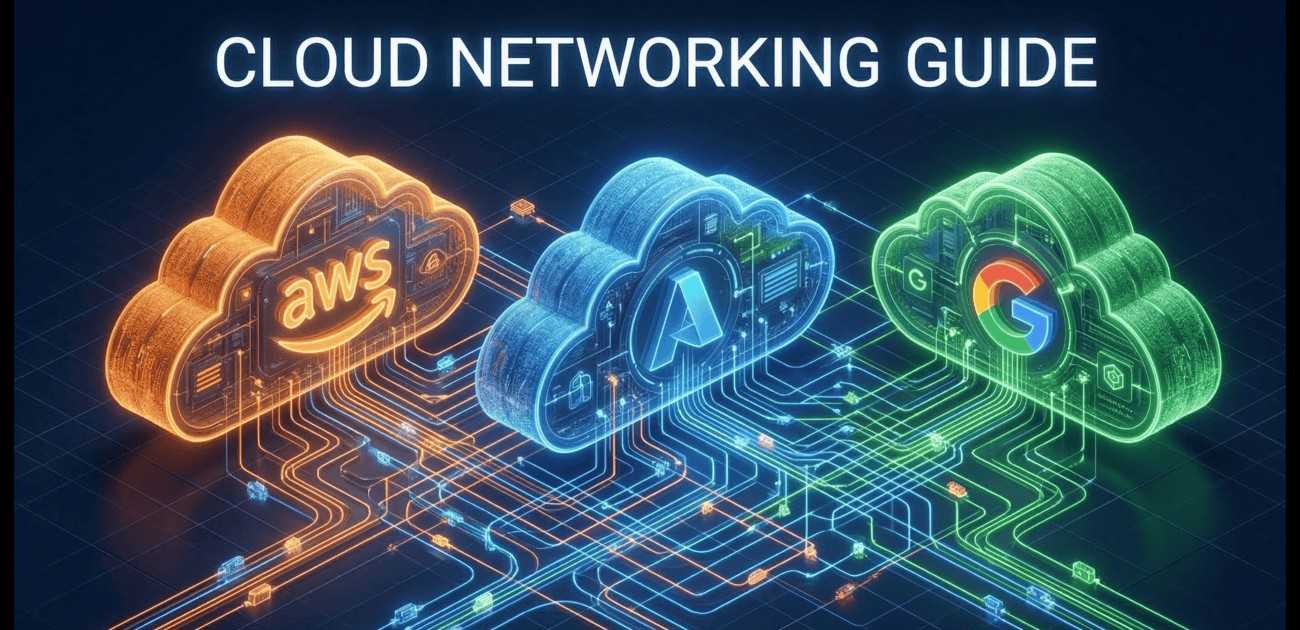
The cloud computing market is dominated by three major providers:
- Amazon Web Services (AWS): 32% market share
- Microsoft Azure: 22% market share
- Google Cloud Platform (GCP): 12% market share
Amazon Web Services (AWS) – Complete Overview
What is Amazon Web Services?
Amazon Web Services (AWS) is the world’s most comprehensive and widely adopted cloud platform, launched by Amazon in 2006. AWS offers over 200 fully featured services from data centers globally, making it the market leader in cloud infrastructure services.
AWS Global Infrastructure
AWS operates the most extensive global cloud infrastructure:
- 38 Geographic Regions worldwide
- 120+ Availability Zones
- 400+ Edge Locations and 13+ Regional Edge Caches
- 99.99% Uptime SLA for most services
This massive infrastructure ensures low latency, high availability, and compliance with data residency requirements across the globe.
Core AWS Services
Compute Services
- Amazon EC2 (Elastic Compute Cloud): Resizable compute capacity in the cloud. Perfect for running applications and workloads.
- AWS Lambda: Serverless computing that runs your code in response to events. Pay only for compute time consumed.
- Amazon ECS (Elastic Container Service): Fully managed container orchestration service that makes it easy to deploy, manage, and scale containerized applications.
- Amazon EKS (Elastic Kubernetes Service): Managed Kubernetes service for running containerized applications using Kubernetes.
- AWS Batch: Enables developers, scientists, and engineers to easily and efficiently run hundreds of thousands of batch computing jobs on AWS.
Storage Services
- Amazon S3 (Simple Storage Service): Object storage with industry-leading scalability, data availability, security, and performance. Ideal for storing and retrieving any amount of data.
- Amazon EBS (Elastic Block Store): High-performance block storage volumes designed for use with Amazon EC2 instances.
- Amazon EFS (Elastic File System): Fully managed file system that makes it easy to set up and scale file storage in the AWS Cloud.
- AWS Storage Gateway: Hybrid cloud storage service that gives you on-premises access to virtually unlimited cloud storage.
Database Services
- Amazon RDS: Managed relational database service supporting MySQL, PostgreSQL, Oracle, SQL Server, and MariaDB.
- Amazon DynamoDB: Fully managed NoSQL database service that provides fast and predictable performance with seamless scalability.
- Amazon Redshift: Fast, scalable data warehouse that makes it simple and cost-effective to analyze all your data.
- Amazon Aurora: MySQL and PostgreSQL-compatible relational database built for the cloud, combining the performance and availability of traditional databases with the simplicity and cost-effectiveness of open-source databases.
Networking Services
- Amazon VPC (Virtual Private Cloud): Enables you to launch AWS resources into a virtual network that you’ve defined, giving you complete control over your virtual networking environment.
- Amazon CloudFront: Fast content delivery network (CDN) service that securely delivers data, videos, applications, and APIs to customers globally.
- AWS Direct Connect: Makes it easy to establish a dedicated network connection from your premises to AWS.
- Elastic Load Balancing: Automatically distributes incoming application traffic across multiple targets.
AI and Machine Learning Services
- Amazon SageMaker: Fully managed service that provides every developer and data scientist with the ability to build, train, and deploy machine learning models quickly.
- Amazon Rekognition: Deep learning-based image and video analysis service that can identify objects, people, text, scenes, and activities.
- Amazon Polly: Text-to-speech service that uses advanced deep learning technologies to synthesize speech that sounds like a human voice.
- Amazon Lex: Service for building conversational interfaces into any application using voice and text.
DevOps and Development Tools
- AWS CodePipeline: Fully managed continuous delivery service that helps you automate your release pipelines.
- AWS CodeBuild: Fully managed build service that compiles source code, runs tests, and produces software packages.
- AWS CodeDeploy: Service that automates code deployments to any instance, including EC2 instances and instances running on-premises.
- AWS CloudFormation: Service that helps you model and set up your AWS resources so you can spend less time managing those resources.
Why Organizations Choose AWS
1. Market Leadership and Maturity
- First-mover advantage in cloud computing
- Proven track record with millions of customers
- Extensive documentation and community support
- Largest ecosystem of partners and third-party integrations
2. Comprehensive Service Portfolio
- Over 200 services covering virtually every use case
- Deep integration between services
- Continuous innovation with new services launched regularly
- Industry-leading service depth and breadth
3. Global Presence and Reliability
- Most extensive global infrastructure of any cloud provider
- Industry-leading uptime and reliability (99.99% SLA)
- Low latency access worldwide
- Data residency options in multiple regions
4. Enterprise-Ready Security
- Extensive security features and compliance certifications
- Advanced threat protection and monitoring
- Fine-grained access controls with IAM
- Encryption at rest and in transit
5. Cost-Effective Pricing
- Pay-as-you-go pricing model
- Reserved Instances for predictable workloads (up to 72% savings)
- Savings Plans for flexible long-term commitments
- Free tier for experimentation (12 months)
AWS Use Cases
Startups and Small Businesses
- Quick deployment and scaling capabilities
- Cost-effective solutions for growing businesses
- Extensive free tier for getting started
- Easy integration with startup-friendly tools
Enterprise Applications
- Mission-critical applications hosting
- Hybrid cloud deployments
- Disaster recovery and backup solutions
- Legacy application migration
AI/ML Workloads
- Machine learning model training and deployment
- Data analytics and business intelligence
- Recommendation systems and personalization
- Natural language processing applications
E-commerce and Retail
- High-traffic websites and applications
- Global content delivery
- Inventory management systems
- Real-time analytics
Microsoft Azure – Complete Overview
What is Microsoft Azure?
Microsoft Azure, launched in 2010, is Microsoft’s cloud computing platform designed for building, deploying, and managing applications and services through a global network of Microsoft-managed data centers. Azure offers more than 200 products and cloud services, with more than 400 highly secure datacenters in over 70 regions worldwide—the most extensive cloud footprint of any cloud provider.
Key Advantages of Azure
1. Most Extensive Global Infrastructure
- More than 400 datacenters in over 70 regions
- More regions than any other cloud provider
- Helps meet data residency requirements
- Reduced latency for global users
2. Enterprise Focus
- 95% of Fortune 500 companies trust Azure
- Built-in security from the ground up
- Supports more than 100 compliance standards
- Enterprise-grade SLAs and support
3. Microsoft Ecosystem Integration
- Seamless integration with Microsoft 365, Dynamics 365
- Active Directory integration
- SharePoint and Teams integration
- Windows Server and SQL Server compatibility
4. AI and Machine Learning Leadership
- Azure AI Foundry with 11,000+ AI models
- OpenAI Service integration
- Comprehensive AI tools and services
- Responsible AI principles
Core Azure Services
Compute Services
- Azure Virtual Machines: On-demand, scalable computing resources with support for Windows and Linux operating systems.
- Azure Functions: Serverless compute service that enables you to run event-driven code without managing infrastructure.
- Azure App Service: Fully managed platform for building, deploying, and scaling web apps and APIs.
- Azure Kubernetes Service (AKS): Managed Kubernetes container orchestration service for deploying and managing containerized applications.
Storage Services
- Azure Blob Storage: Massively scalable object storage for unstructured data such as text or binary data.
- Azure Files: Fully managed file shares in the cloud that are accessible via industry standard Server Message Block (SMB) protocol.
- Azure Disk Storage: High-performance, durable block storage for Azure Virtual Machines.
- Azure Data Lake Storage: Scalable data lake for big data analytics workloads.
Database Services
- Azure SQL Database: Fully managed relational database with built-in intelligence that learns app patterns and adapts to maximize performance, reliability, and data protection.
- Azure Cosmos DB: Globally distributed, multi-model database service designed for low-latency, high-availability applications.
- Azure Database for PostgreSQL: Fully managed PostgreSQL database service for app developers.
- Azure Synapse Analytics: Limitless analytics service that brings together data integration, enterprise data warehousing, and big data analytics.
AI and Machine Learning Services
- Azure AI Foundry: End-to-end AI platform with access to more than 11,000 AI models, tools, safety features, and monitoring capabilities.
- Azure Machine Learning: Enterprise-grade machine learning service to build and deploy models faster.
- Azure OpenAI Service: Access to OpenAI’s advanced AI models including GPT-4, DALL-E, and Whisper.
- Azure Cognitive Services: APIs for vision, speech, language, decision, and search capabilities.
Networking Services
- Azure Virtual Network: Private network infrastructure in the cloud with complete control over IP address ranges, subnets, route tables, and gateways.
- Azure CDN: Global content delivery network for fast delivery of web content to users.
- Azure ExpressRoute: Private connections between Azure datacenters and infrastructure on your premises or in a colocation environment.
- Azure Load Balancer: High-performance, low-latency Layer 4 load balancing service.
Why Organizations Choose Azure
1. Microsoft Ecosystem Integration
- Seamless integration with Microsoft 365, Dynamics 365, and Power Platform
- Active Directory for identity management
- Windows Server and SQL Server support
- Hybrid cloud capabilities with Azure Arc
2. Enterprise-Grade Features
- Extensive compliance certifications (ISO, HIPAA, GDPR, etc.)
- Advanced security features built-in
- Enterprise support and SLAs
- Azure Government and Azure China for specific requirements
3. Hybrid Cloud Excellence
- Azure Arc for managing resources across clouds and on-premises
- Azure Stack for edge computing
- Seamless hybrid deployments
- Azure Hybrid Benefit for cost savings
4. AI and Innovation
- Leading AI platform with Azure AI Foundry
- Access to OpenAI models
- Comprehensive AI tools and services
- Responsible AI principles
Azure Use Cases
Microsoft-Centric Organizations
- Organizations already using Microsoft products
- Seamless integration with Microsoft 365
- Active Directory single sign-on
- SharePoint and Teams integration
Enterprise Applications
- Windows Server workloads migration
- SQL Server database hosting
- .NET application deployment
- Enterprise resource planning (ERP) systems
Hybrid Cloud Deployments
- Connect on-premises infrastructure with cloud
- Disaster recovery solutions
- Data center extension
- Edge computing scenarios
Google Cloud Platform (GCP) – Complete Overview
What is Google Cloud Platform?
Google Cloud Platform (GCP) is Google’s suite of cloud computing services that runs on the same infrastructure that Google uses internally for end-user products like Google Search, Gmail, Google Drive, and YouTube. Launched in 2008, GCP has evolved into a major player in cloud computing, known for cutting-edge technology, especially in data analytics, machine learning, and container orchestration.
Key Advantages of Google Cloud
1. Google-Scale Infrastructure
- Built on the same infrastructure powering Google’s services
- Handles billions of queries per day
- Proven scalability and reliability
- Industry-leading network performance
2. Data Analytics Excellence
- BigQuery for petabyte-scale data warehouses
- Advanced analytics and business intelligence
- Real-time data processing
- Machine learning integration
3. Kubernetes and Containers
- Google created Kubernetes
- Best-in-class Kubernetes experience with GKE
- Container-native platform
- Microservices architecture support
4. Machine Learning Leadership
- TensorFlow framework (developed by Google)
- Vertex AI for end-to-end ML platform
- AutoML for custom models
- Pre-trained AI models and APIs
Core Google Cloud Services
Compute Services
- Compute Engine: Virtual machines running in Google’s data centers with custom machine types for optimal performance.
- App Engine: Fully managed serverless platform for deploying and scaling applications.
- Cloud Functions: Event-driven serverless functions that automatically scale based on demand.
- Google Kubernetes Engine (GKE): Managed Kubernetes service for deploying, managing, and scaling containerized applications.
- Cloud Run: Fully managed serverless container platform that automatically scales your stateless containers.
Storage Services
- Cloud Storage: Unified object storage with global edge-caching for fast content delivery.
- Persistent Disk: High-performance block storage for Compute Engine instances.
- Cloud Filestore: Fully managed file storage service for applications requiring a file system interface.
- Cloud Storage Transfer: Service for quickly importing online data into Cloud Storage.
Database Services
- Cloud SQL: Fully managed relational database service for MySQL, PostgreSQL, and SQL Server.
- Cloud Spanner: Globally distributed relational database with unlimited scale, strong consistency, and up to 99.999% availability.
- Firestore: Flexible, scalable NoSQL document database for mobile, web, and server development.
- Bigtable: Fully managed, scalable NoSQL wide-column database for large analytical and operational workloads.
Big Data and Analytics Services
- BigQuery: Serverless, highly scalable data warehouse designed to make all your data analysts productive with SQL queries at petabyte scale.
- Dataflow: Fully managed service for stream and batch processing with unified programming model.
- Dataproc: Fast, easy-to-use, fully managed service for running Apache Spark and Apache Hadoop clusters.
- Pub/Sub: Messaging service for building event-driven systems and real-time analytics.
AI and Machine Learning Services
- Vertex AI: Unified ML platform for building, deploying, and scaling machine learning models faster.
- AutoML: Train high-quality custom machine learning models with minimal effort and machine learning expertise.
- TensorFlow: Open-source machine learning framework developed by Google.
- Cloud AI APIs: Pre-trained machine learning models for vision, speech, translation, and natural language processing.
Why Organizations Choose Google Cloud
1. Data Analytics and Big Data
- BigQuery for petabyte-scale analytics
- Real-time data processing
- Advanced analytics capabilities
- Machine learning integration
2. Kubernetes Excellence
- Google created Kubernetes
- Best-in-class Kubernetes experience
- Container-native platform
- Microservices support
3. Machine Learning and AI
- TensorFlow framework
- Comprehensive AI platform
- AutoML for easy model training
- Pre-trained models and APIs
Head-to-Head Comparison
Service Comparison Table
| Service Category | AWS Service | Azure Service | Google Cloud Service |
|---|---|---|---|
| Compute | EC2, Lambda | Virtual Machines, Functions | Compute Engine, Cloud Functions |
| Storage | S3, EBS | Blob Storage, Disk Storage | Cloud Storage, Persistent Disk |
| Relational Database | RDS | SQL Database | Cloud SQL |
| NoSQL Database | DynamoDB | Cosmos DB | Firestore, Bigtable |
| Data Warehouse | Redshift | Synapse Analytics | BigQuery |
| Container Orchestration | ECS, EKS | AKS | GKE |
| Machine Learning | SageMaker | Machine Learning, AI Foundry | Vertex AI, AutoML |
Infrastructure Comparison
| Aspect | AWS | Azure | Google Cloud |
|---|---|---|---|
| Regions | 38 | 70+ | 20+ |
| Market Share | 32% | 22% | 12% |
| Launch Year | 2006 | 2010 | 2008 |
| Uptime SLA | 99.99% | 99.95-99.99% | 99.95-99.99% |
Strengths and Weaknesses
AWS Strengths:
- ✓ Largest market share and ecosystem
- ✓ Most comprehensive service portfolio (200+ services)
- ✓ Extensive global infrastructure
- ✓ Mature and proven platform
- ✓ Best documentation and community support
AWS Weaknesses:
- ✗ Complex pricing structure
- ✗ Steeper learning curve for beginners
- ✗ Can be overwhelming with too many options
Azure Strengths:
- ✓ Best Microsoft ecosystem integration
- ✓ Strong enterprise features
- ✓ Excellent hybrid cloud capabilities
- ✓ Most compliance certifications (100+)
- ✓ Leading AI platform with Azure AI Foundry
Azure Weaknesses:
- ✗ Less intuitive UI/UX than competitors
- ✗ Complex licensing for some services
- ✗ Some services less mature than AWS
Google Cloud Strengths:
- ✓ Best-in-class data analytics (BigQuery)
- ✓ Superior container and Kubernetes experience
- ✓ Leading ML/AI platform
- ✓ Excellent network performance
- ✓ Competitive pricing with per-second billing
Google Cloud Weaknesses:
- ✗ Smaller market share and ecosystem
- ✗ Less enterprise adoption than AWS/Azure
- ✗ Fewer third-party integrations
Use Cases and When to Choose Each Platform
When to Choose AWS
Best For:
- ✓ Startups and SMEs looking for extensive service options
- ✓ Organizations needing maximum global reach
- ✓ Companies requiring broad service portfolio
- ✓ Businesses wanting extensive third-party integrations
- ✓ Enterprises needing proven, mature platform
When to Choose Azure
Best For:
- ✓ Microsoft-centric organizations
- ✓ Enterprises using Microsoft 365, Dynamics 365
- ✓ Organizations needing hybrid cloud solutions
- ✓ Businesses requiring extensive compliance certifications
- ✓ Companies focused on AI/ML innovation
When to Choose Google Cloud
Best For:
- ✓ Data analytics and big data workloads
- ✓ Organizations using Kubernetes extensively
- ✓ Companies focused on ML/AI innovation
- ✓ Startups and tech companies
- ✓ Organizations requiring high-performance networking
Pricing Comparison and Cost Optimization
Pricing Models Comparison
AWS Pricing:
- Pay-as-you-go model
- Reserved Instances (1-3 years): Up to 72% savings
- Savings Plans: Flexible commitments
- Spot Instances: Up to 90% savings for interruptible workloads
- Free tier: 12 months free for new accounts
Azure Pricing:
- Pay-as-you-go model
- Reserved Instances: Up to 72% savings
- Azure Hybrid Benefit: Save on existing licenses
- Spot VMs: Up to 90% savings
- Free tier: Always free + 12 months free services
Google Cloud Pricing:
- Pay-as-you-go with per-second billing (more cost-effective than per-hour)
- Committed Use Discounts (1-3 years): Up to 57% savings
- Sustained Use Discounts: Automatic discounts (up to 30%)
- Preemptible VMs: Up to 80% savings
- Free tier: $300 credit for 90 days
Example Pricing (Approximate – 2025)
Basic VM (2 vCPU, 8GB RAM):
- AWS EC2 (t3.medium): ~$69/month
- Azure (Standard_B2s): ~$70/month
- Google Cloud (n1-standard-2): ~$52/month
Storage (100GB Standard Storage):
- AWS S3: ~$2.30/month
- Azure Blob: ~$2.00/month
- Google Cloud Storage: ~$2.00/month
Note: Actual pricing varies based on region, usage patterns, commitment terms, and configurations. Always check current pricing on official websites and use pricing calculators.
Security and Compliance
Security Features Comparison
AWS Security:
- AWS Identity and Access Management (IAM)
- AWS Shield (DDoS protection)
- AWS WAF (Web Application Firewall)
- AWS Key Management Service (KMS)
- AWS CloudTrail (audit logging)
- 230+ security services and features
Azure Security:
- Azure Active Directory
- Azure Security Center
- Azure Sentinel (SIEM)
- Azure Key Vault
- Azure DDoS Protection
- Microsoft Defender for Cloud
Google Cloud Security:
- Cloud Identity and Access Management (IAM)
- Cloud Armor (DDoS protection)
- Cloud KMS (key management)
- Cloud Security Command Center
- Cloud Audit Logs
- VPC Service Controls
Compliance Certifications
All three platforms offer extensive compliance certifications:
- ISO/IEC 27001: Information security management
- SOC 1, 2, 3: Service organization controls
- HIPAA: Healthcare data protection
- GDPR: European data protection
- PCI DSS: Payment card industry security
- FedRAMP: US government cloud security
Total Certifications:
- AWS: 230+ compliance certifications
- Azure: 100+ compliance certifications
- Google Cloud: 100+ compliance certifications
Getting Started Guide for Beginners
Step 1: Create Your Free Account
AWS Free Tier:
- Visit aws.amazon.com/free
- Create an AWS account
- Get 12 months free access to popular services
- Includes 750 hours EC2, 5GB S3 storage, and more
Azure Free Account:
- Visit azure.microsoft.com/free
- Create an Azure account
- Get $200 credit for 30 days
- Always free services + 12 months free services
Google Cloud Free Tier:
- Visit cloud.google.com/free
- Create a Google Cloud account
- Get $300 credit for 90 days
- Always free tier includes Compute Engine, Cloud Storage, and more
Step 2: Learn the Basics
AWS Learning Path:
- Complete AWS Cloud Practitioner Essentials (free course)
- Practice with AWS Free Tier
- Build a simple web application
- Learn EC2, S3, and basic networking
Azure Learning Path:
- Complete Azure Fundamentals (AZ-900) learning path
- Use Azure Free Tier for hands-on practice
- Deploy a web app on Azure App Service
- Learn Virtual Machines, Storage Accounts, and Azure Portal
Google Cloud Learning Path:
- Complete Google Cloud Digital Leader learning path
- Use Google Cloud Free Tier
- Deploy an application on App Engine
- Learn Compute Engine, Cloud Storage, and Cloud Console
Step 3: Build Your First Project
Beginner Project Ideas:
- Static Website Hosting: Deploy a simple HTML website
- AWS: S3 + CloudFront
- Azure: Blob Storage + CDN
- GCP: Cloud Storage + Cloud CDN
- Simple Web Application: Deploy a web app
- AWS: EC2 or Elastic Beanstalk
- Azure: App Service
- GCP: App Engine or Cloud Run
- Database Setup: Create a managed database
- AWS: RDS
- Azure: Azure SQL Database
- GCP: Cloud SQL
Step 4: Understand Core Concepts
Essential Concepts for Beginners:
- Regions and Availability Zones: Geographic locations for your resources
- Virtual Machines: Compute instances in the cloud
- Object Storage: Cloud storage for files and data
- Load Balancing: Distributing traffic across multiple resources
- Auto-scaling: Automatically adjusting resources based on demand
- Identity and Access Management: Controlling who can access what
Advanced Features for Experienced Users
Infrastructure as Code (IaC)
AWS – CloudFormation:
- YAML or JSON templates
- Stack-based resource management
- Change sets for preview
- Cross-stack references
Azure – ARM Templates:
- JSON templates
- Resource Manager for deployment
- Template specs for reuse
- Bicep language (simplified ARM)
Google Cloud – Deployment Manager:
- YAML or Python templates
- Declarative resource management
- Composite types for reuse
- Terraform support (recommended)
Container Orchestration
AWS – EKS:
- Managed Kubernetes service
- Integrated with AWS services
- Fargate for serverless containers
- ECS as alternative
Azure – AKS:
- Managed Kubernetes service
- Azure Container Instances
- Azure Container Apps (serverless)
- Windows container support
Google Cloud – GKE:
- Managed Kubernetes service (Google created Kubernetes)
- Autopilot mode (fully managed)
- GKE on-premises support
- Best Kubernetes experience
Future Trends and Recommendations
Emerging Trends in Cloud Computing
1. AI/ML Integration
All three platforms are heavily investing in AI/ML capabilities:
- Generative AI services
- Pre-trained models
- MLOps platforms
- Edge AI deployment
2. Edge Computing
- AWS Outposts and Local Zones
- Azure Edge Zones and Azure Stack
- Google Cloud Edge Computing
- Reduced latency for distributed applications
3. Multi-Cloud and Hybrid Cloud
- Growing adoption of multi-cloud strategies
- Better hybrid cloud tools
- Cross-cloud services
- Unified management platforms
Conclusion and Final Recommendations
Summary
Amazon Web Services (AWS), Microsoft Azure, and Google Cloud Platform (GCP) are all powerful, feature-rich cloud computing platforms. Each has unique strengths and serves different use cases:
- AWS excels in service breadth, global presence, and market maturity, making it ideal for organizations needing comprehensive solutions and extensive service options.
- Azure shines in Microsoft ecosystem integration, enterprise features, and hybrid cloud capabilities, perfect for Microsoft-centric organizations and enterprises.
- Google Cloud leads in data analytics, container orchestration, and ML/AI innovation, ideal for data-driven organizations and tech companies.
Final Recommendations
Choose AWS If:
- You need the largest service portfolio
- You want maximum global infrastructure
- You need extensive third-party integrations
- You’re a startup or SME looking for flexibility
- You want the most mature platform with best documentation
Choose Azure If:
- You’re a Microsoft-centric organization
- You use Microsoft 365, Dynamics 365
- You need hybrid cloud solutions
- You require extensive compliance certifications
- You’re focused on AI/ML innovation with OpenAI
Choose Google Cloud If:
- You need advanced data analytics capabilities
- You’re using Kubernetes extensively
- You’re focused on ML/AI innovation
- You want simpler pricing structure
- You need high-performance networking
Additional Learning Resources
AWS Resources:
Azure Resources:
Google Cloud Resources:
- Google Cloud Training
- Google Cloud Documentation
- Google Cloud Free Tier
- Google Cloud Pricing Calculator
Article References:
- Microsoft Azure Official Documentation
- Amazon Web Services Official Documentation
- Google Cloud Platform Official Documentation
Read About DevOps click here
What is DevOps? A Complete Beginner’s Guide 2025
Last Updated: November 2025


One thought on “AWS vs Azure vs Google Cloud: Complete Comparison Guide 2025”